
FRAGMENTS
OF SUMMER
ONLINE
PHOTOGRAPHY
EXHIBITION
EXHIBITION INTRODUCTION
Summer rarely stays with us as a complete story.
Instead, it lingers in fragments: the warmth of light on familiar places, the quiet rhythm of the sea, unexpected encounters, fleeting reflections and moments that return long after the season has passed. These memories do not follow a clear sequence. They emerge gradually, shaped by feeling rather than chronology.
Fragments of Summer invites visitors to move through these moments as they might revisit their own memories—slowly, intuitively and without the need for a single narrative. Across five interconnected chapters, the exhibition traces a journey from arrival and connection to reflection, immersion and remembrance, revealing how ordinary experiences quietly become part of who we are.
Rather than offering definitive interpretations, the exhibition creates space for personal reflection, allowing each visitor to discover their own fragments within the images.
EXHIBITION CONCEPT
Summer rarely survives in memory as a complete story. Instead, it lingers in fragments: the shimmer of light on water, a familiar landscape transformed by memory, a passing encounter or a quiet moment that continues to resonate long after the season has ended.
Fragments of Summer brings together twenty photographic works by eight contemporary photographers whose distinct visual languages converge around a shared exploration of memory, place and human experience. Rather than presenting summer as a season, the exhibition approaches it as a state of mind—an emotional landscape shaped by light, connection and reflection.
Structured as a journey through five thematic chapters—Arrival, Encounters, Echoes, Beneath the Surface and Afterglow—the exhibition invites visitors to move gradually from first impressions to deeper contemplation. While each artist maintains a unique photographic voice, the works enter into dialogue with one another, forming a collective narrative where meaning emerges through their relationships rather than through any single image.
Ultimately, Fragments of Summer invites each visitor to slow down, reflect and assemble their own constellation of memories, discovering that what remains is rarely the event itself, but the feeling it leaves behind.
CURATORIAL STATEMENT
Fragments of Summer explores memory not as a complete narrative, but as a constellation of moments that continue to evolve over time. Rather than presenting summer as a season or a destination, the exhibition approaches it as an emotional landscape shaped by light, place and human experience.
The curatorial approach moves beyond a conventional presentation organised by artist. Instead, the exhibition unfolds as a continuous visual dialogue where distinct photographic voices encounter one another. Landscapes converse with portraits, underwater worlds meet urban reflections, and intimate gestures resonate across different perspectives. Each work retains its own identity while contributing to a broader collective narrative.
Structured around five thematic chapters—Arrival, Encounters, Echoes, Beneath the Surface and Afterglow—the exhibition follows the gradual transformation of experience into memory. These chapters are not fixed categories, but emotional stages through which observation gives way to reflection and remembrance.
Throughout the exhibition, light functions as a silent connective thread, while moments of stillness and ambiguity invite visitors to bring their own memories and interpretations into the experience. Rather than offering definitive answers, Fragments of Summer creates space for quiet contemplation, suggesting that meaning emerges not only from individual photographs, but from the relationships that unfold between them.
THE JOURNEY
Every journey unfolds gradually.
The exhibition is organised into five interconnected chapters that trace the transformation of experience into memory. Rather than following a chronological path, each chapter invites visitors to move through a different emotional landscape, where light, place and human presence quietly reveal the fragments that remain long after summer has passed.
CHAPTER I
ARRIVAL
Where every journey quietly begins.
Every arrival is a beginning. Before memories are formed, there is a fleeting moment of openness—a shoreline, a familiar breeze, a landscape waiting to be rediscovered. These first images invite us to pause, embrace possibility and take the first steps into the emotional landscape of Fragments of Summer.

After the Storm
Rania Christou
Opening the exhibition, After the Storm lingers in the stillness left behind by the retreating tide. A small vessel filled with shells, sea urchins and fragments gathered from the shore evokes the human impulse to collect and preserve fleeting moments before they disappear.
These humble objects become quiet carriers of memory, suggesting that what we choose to keep is defined less by material value than by emotional significance. As the first work of Fragments of Summer, the photograph introduces one of the exhibition’s central ideas: memory is not preserved as a complete narrative, but assembled through the fragments we choose to carry with us.


Broken Line
Nikolas Kountouris
Broken Line expands the exhibition’s opening chapter through the enduring symbolism of the coastline—a shifting threshold where land and sea continually meet. Shaped by the rhythm of the tide, the shoreline becomes a metaphor for transition, reminding us that every beginning is defined not by certainty, but by movement.
Positioned early in Fragments of Summer, the photograph invites viewers to move beyond observation and step into the quiet rhythm of the journey ahead. Here, the landscape becomes more than a place; it becomes the first space where experience begins to transform into memory.
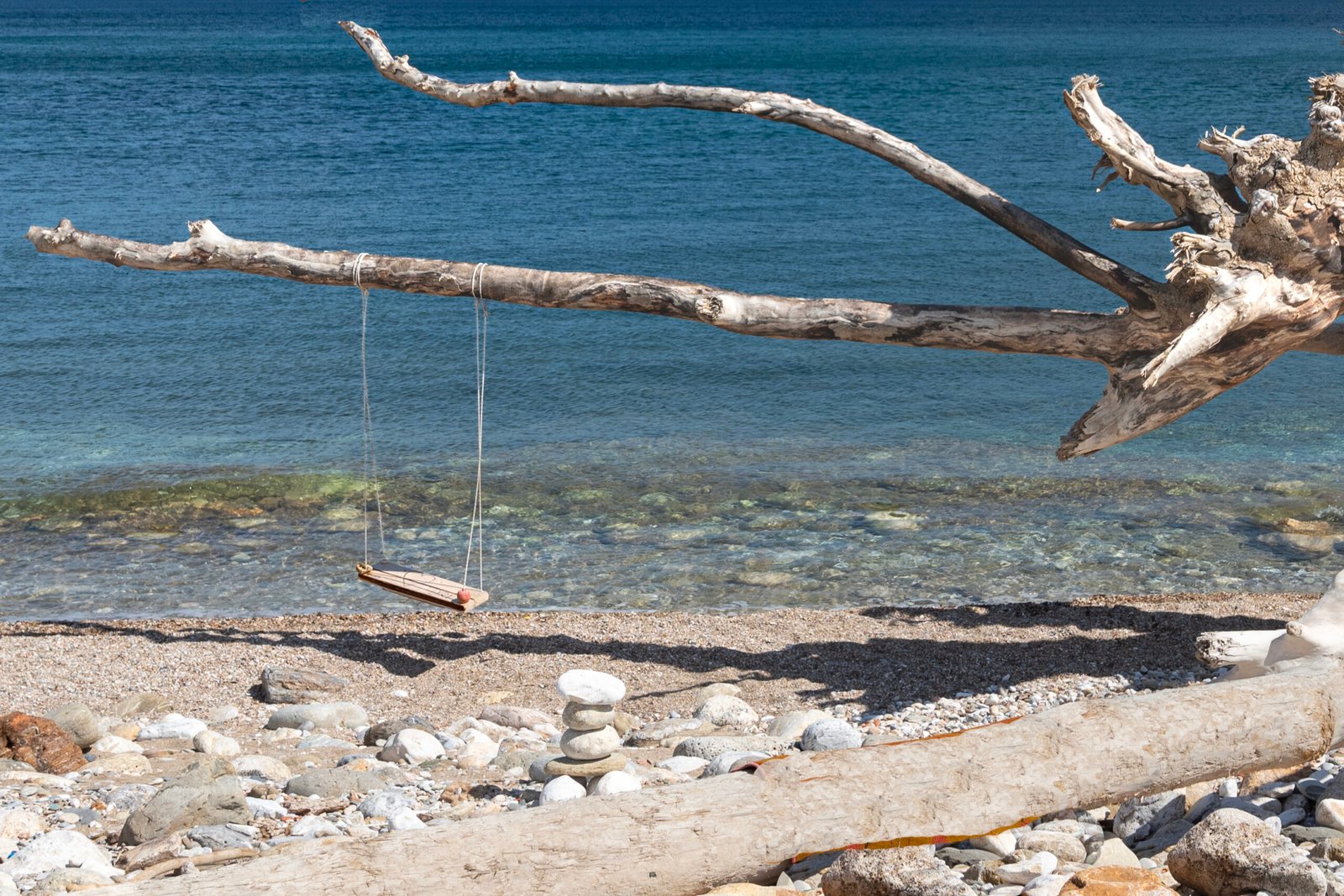
The Swing that dreams
Rania Christou
Suspended between land and sea, The Swing that dreams introduces the quiet anticipation that accompanies every beginning. Empty yet inviting, it offers a space where memory has not yet formed but possibility already exists.
Anchored to driftwood shaped by time and tide, the swing that dreams becomes a gentle metaphor for balance between permanence and change. Rather than depicting a specific story, the photograph invites each visitor to imagine their own first encounter with place, light and stillness.
As one of the opening works of Fragments of Summer, The Swing that dreams reminds us that the most meaningful journeys often begin long before we take a single step—they begin in the quiet expectation of what is yet to come.
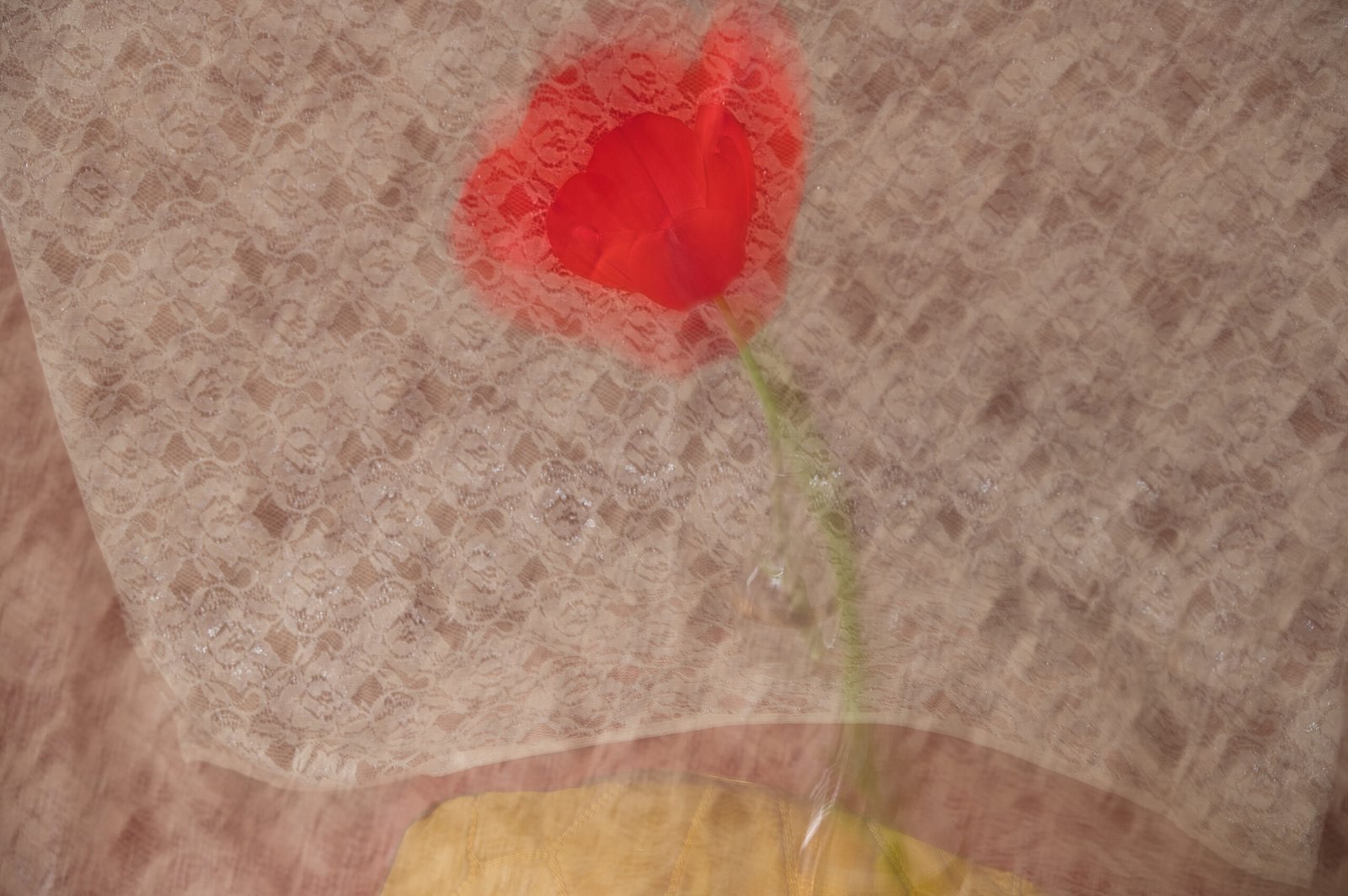
Touch of Summer
Florentia Kanaki
Concluding the opening chapter, Touch of Summer shifts the exhibition from landscape to sensation. Rather than portraying a specific place, the photograph invites viewers to experience memory through light, texture and atmosphere, where emotion quietly precedes recognition.
The translucent veil softens the vivid presence of the flower, allowing it to exist between clarity and abstraction. This visual ambiguity reflects the fragile nature of remembrance, suggesting that what endures is rarely the exact image itself, but the feeling it leaves behind.
As the closing work of Arrival, Touch of Summer marks the transition from anticipation to intimacy. Having entered the landscape of summer, visitors are gently prepared to encounter the people, places and moments that shape the emotional journey unfolding throughout Fragments of Summer.
CHAPTER II
ENCOUNTERS
Where connections transform places into memories.
Some encounters last only a moment, while others remain with us for years. Through shared presence, quiet observation and unexpected connections, ordinary places begin to acquire emotional meaning. These photographs reveal how memories are often shaped not by where we are, but by those with whom we share the journey.
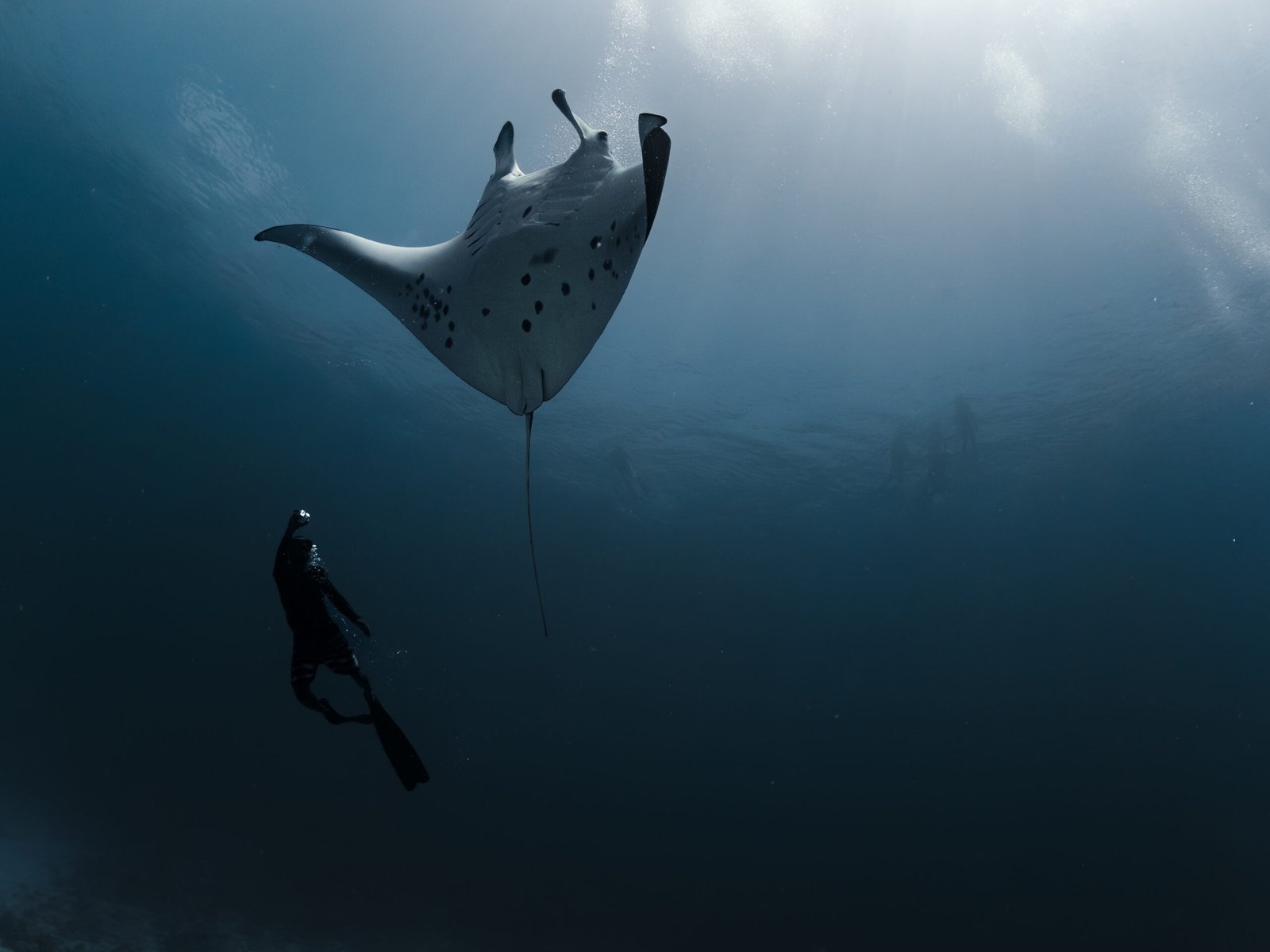
Summer Encounter
Franziska Stier
Opening the chapter Encounters, Summer Encounter invites viewers into a quiet dialogue between humanity and the natural world. Beneath the surface, the diver and the manta ray move together with mutual awareness and respect, revealing that the most meaningful encounters are often those free from control or possession.
Rather than celebrating spectacle, the photograph embraces stillness and coexistence. It reminds us that connection can emerge through attentive presence, leaving behind not certainty, but a deeper appreciation of our place within the living world.
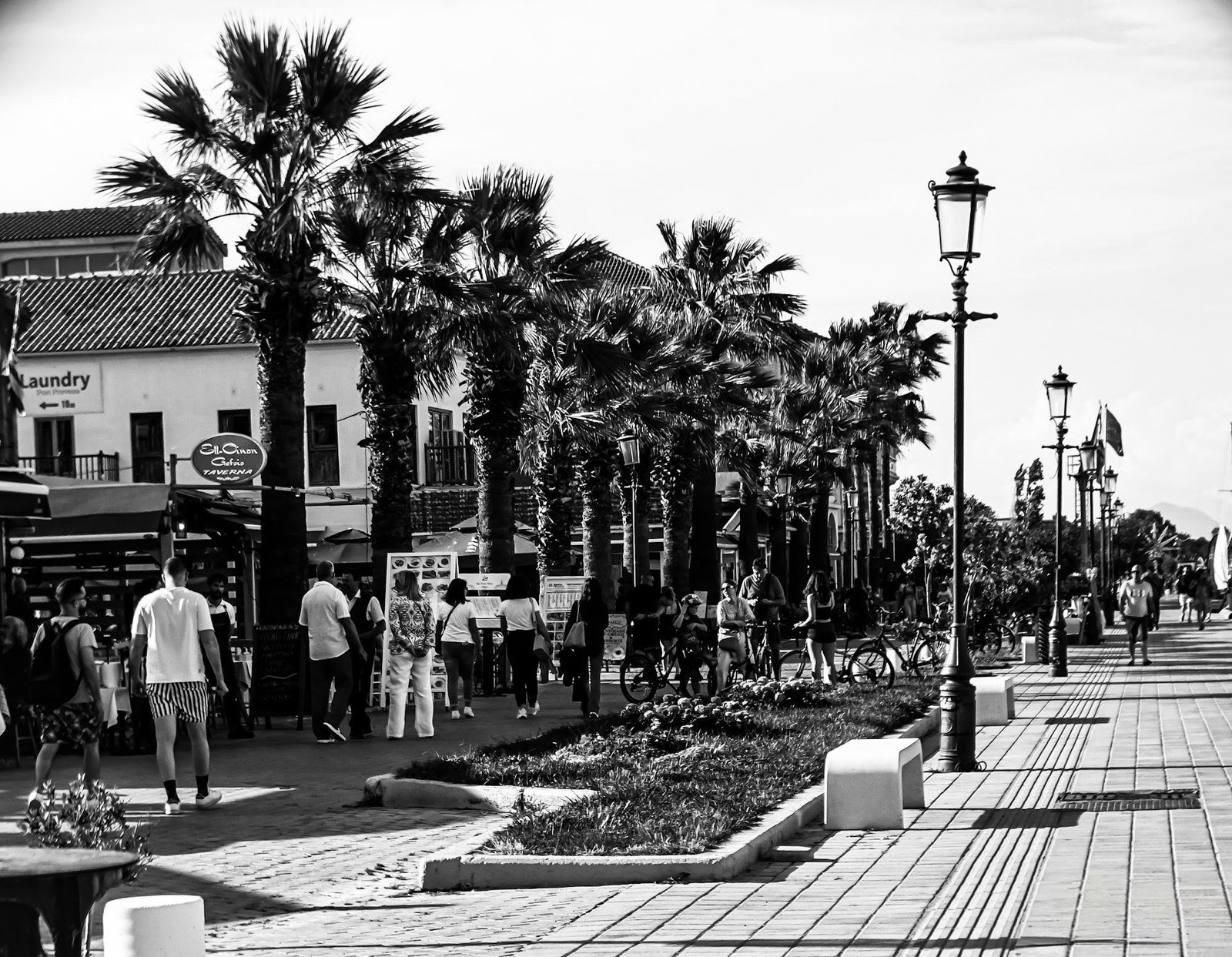
Afternoon Walk
Alexandra Kontodima
Afternoon Walk celebrates the quiet rhythm of everyday life, where familiar places become meaningful through shared presence rather than remarkable events. Along the promenade, individual paths briefly cross, creating a collective portrait of summer shaped by movement, observation and connection.
Rather than seeking a single story, the photograph invites viewers to appreciate the beauty of ordinary moments. Within Encounters, it reminds us that the memories we carry are often formed through the simple act of sharing time and space with others.
Jogging
Alexandra Kontodima
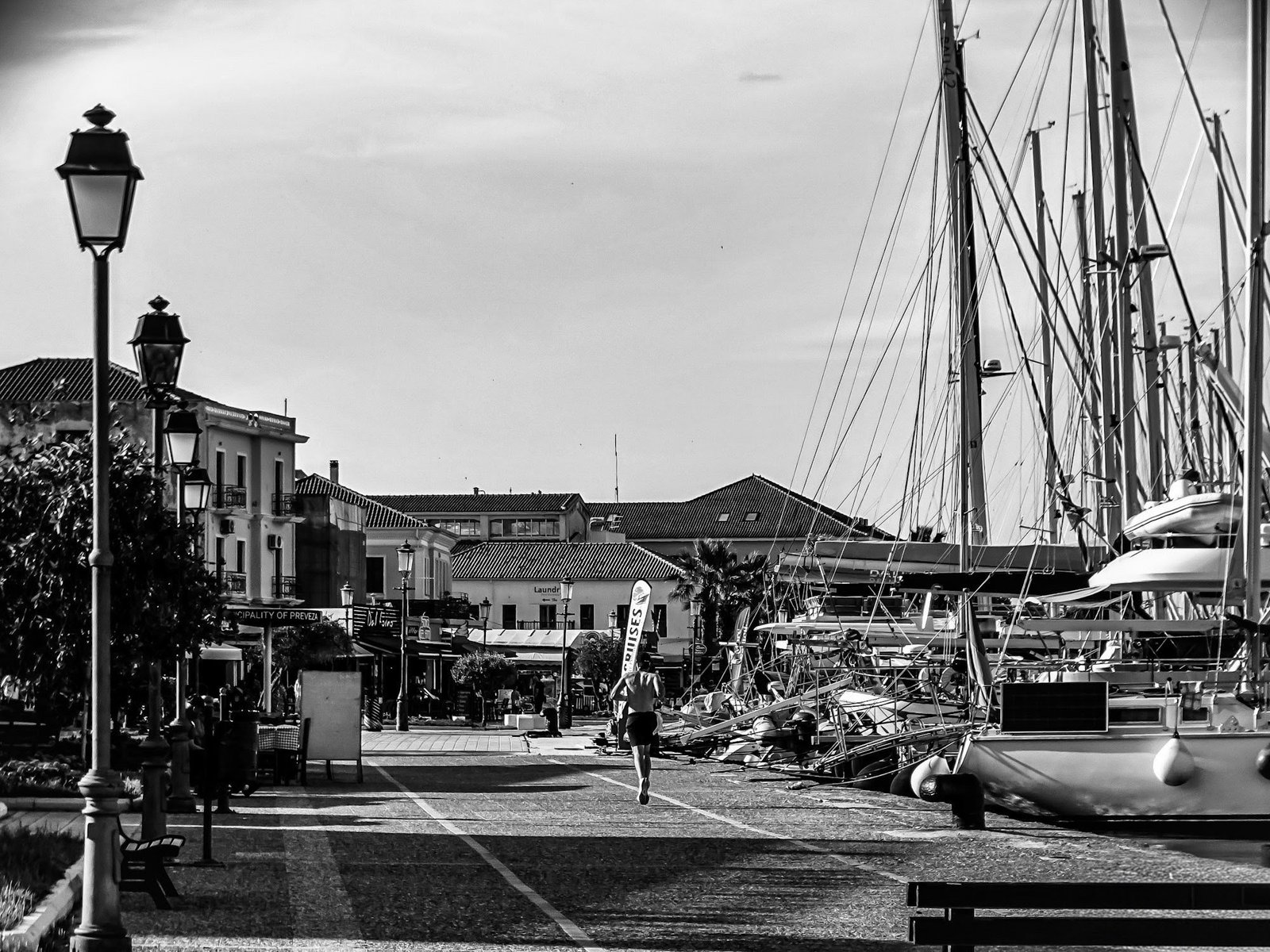
Jogging explores the quiet relationship between movement and self-awareness. Following a solitary runner along the waterfront, the photograph reveals how familiar places become spaces for reflection, where rhythm and repetition gently replace distraction.
Within Encounters, the work reminds us that every outward journey is accompanied by an inner one. Even in shared public spaces, moments of solitude allow us to reconnect with ourselves, transforming ordinary routines into lasting memories.

Inheritance
Franziska Stier
Closing the chapter Encounters, Inheritance invites viewers to reflect on our relationship with the living world. The solitary sea turtle becomes a quiet symbol of continuity, resilience and the shared responsibility we carry toward the fragile ecosystems that sustain life.
Rather than presenting nature as a distant landscape, the photograph reminds us that we are part of its ongoing story. It marks the final encounter of the chapter, where connection expands beyond people and places to embrace the enduring legacy of the natural world, preparing the journey toward Echoes.
CHAPTER III
ECHOES
Where memory begins to reshape reality.
As memories begin to take shape, the world returns in fragments rather than complete stories. Reflections, shifting perspectives and quiet moments reveal how time gradually reshapes our experience of place. As remembrance deepens, landscapes give way to the people who carry them within, inviting us to discover that memory lives not only in places, but also in ourselves.
Venice Double
Gary Duehr
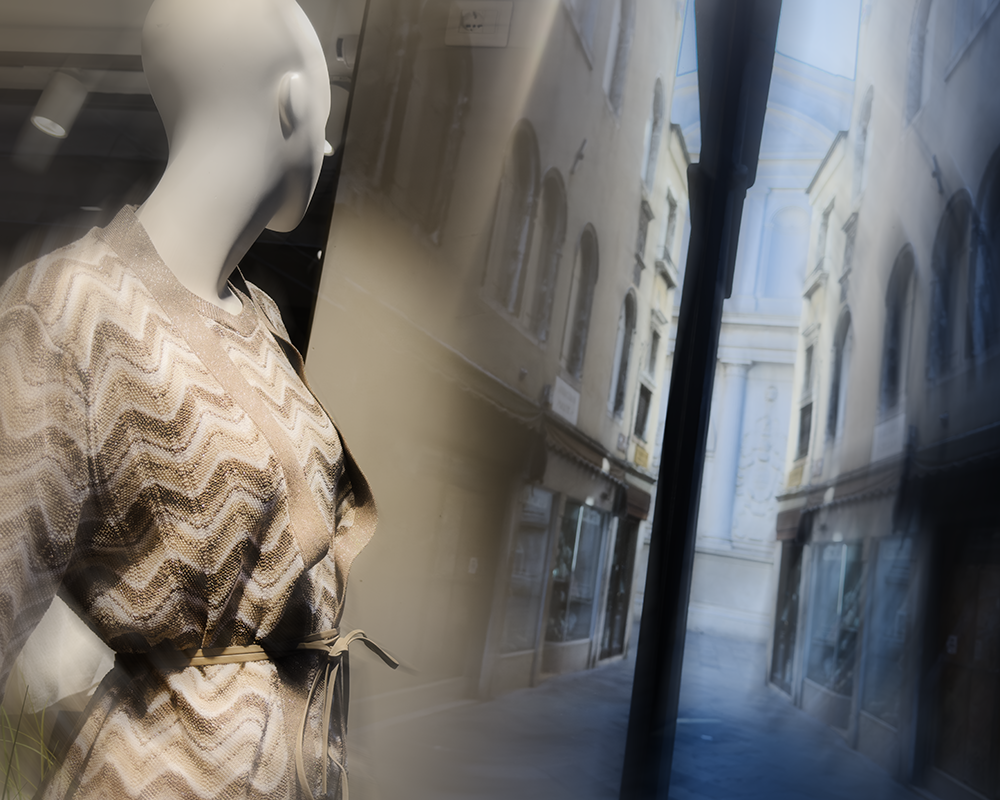
Opening Echoes, Venice Double invites viewers into a world where reflections and reality become inseparable. Layers of architecture, glass and light dissolve into one another, suggesting that memory rarely preserves places exactly as they were.
Instead, familiar landscapes are continually rewritten through perception, emotion and time. As the first work of this chapter, the photograph introduces the quiet ambiguity that defines Echoes, where remembrance exists not as a single image, but as a constellation of overlapping impressions.
Venice Fragment
Gary Duehr
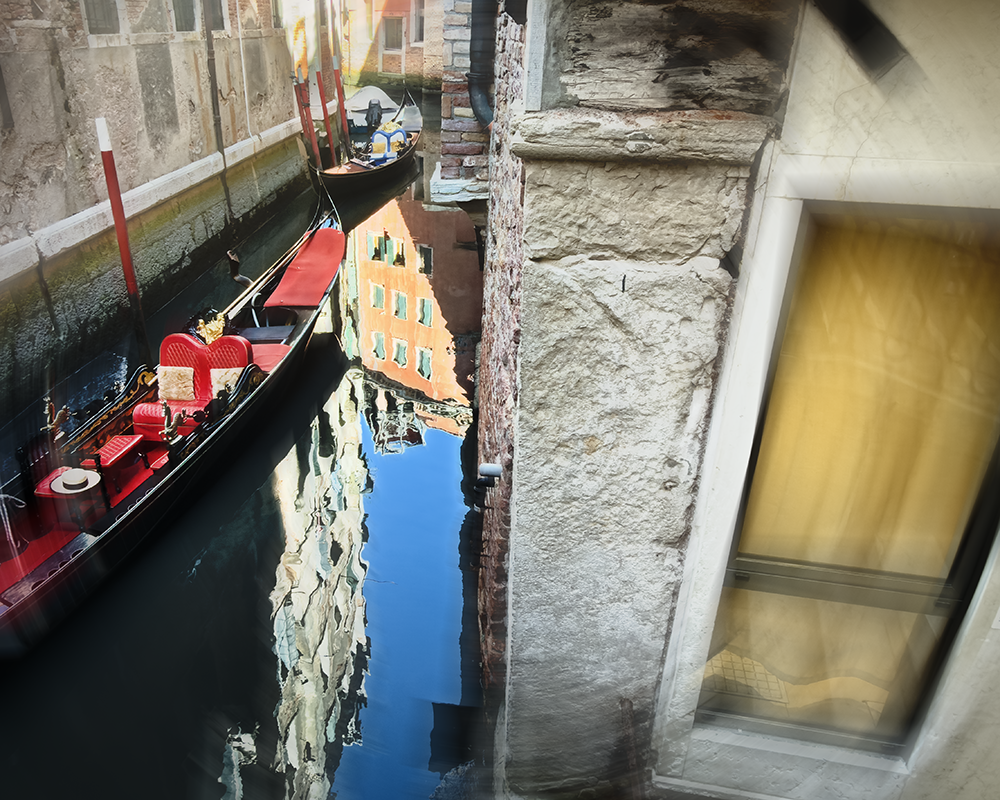
Venice Fragment explores the incomplete nature of memory, where familiar places return not as complete images but as scattered impressions. Reflections, architectural details and shifting light dissolve into one another, inviting viewers to assemble their own narrative from what remains.
Within Echoes, the photograph suggests that remembering is always an act of reconstruction. The past endures through fragments, allowing emotion and perception to reshape places long after the moment itself has disappeared.
Venice Mirror
Gary Duehr
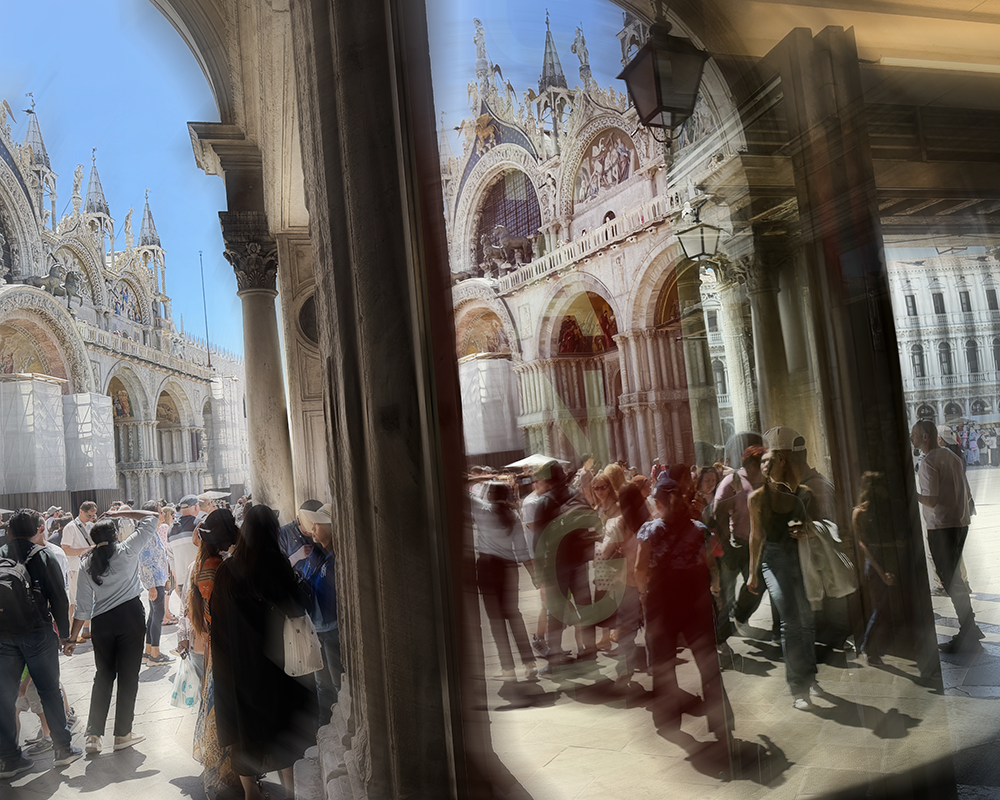
Closing the Venice sequence, Venice Mirror explores the quiet space where memory begins to replace direct observation. Reflections, architecture and human presence overlap, creating a fluid landscape in which reality and remembrance can no longer be separated.
Within Echoes, the photograph completes the gradual transformation of place into memory. Rather than preserving a single moment, it invites viewers to embrace the layered, shifting nature of recollection, where every reflection reveals another way of remembering.
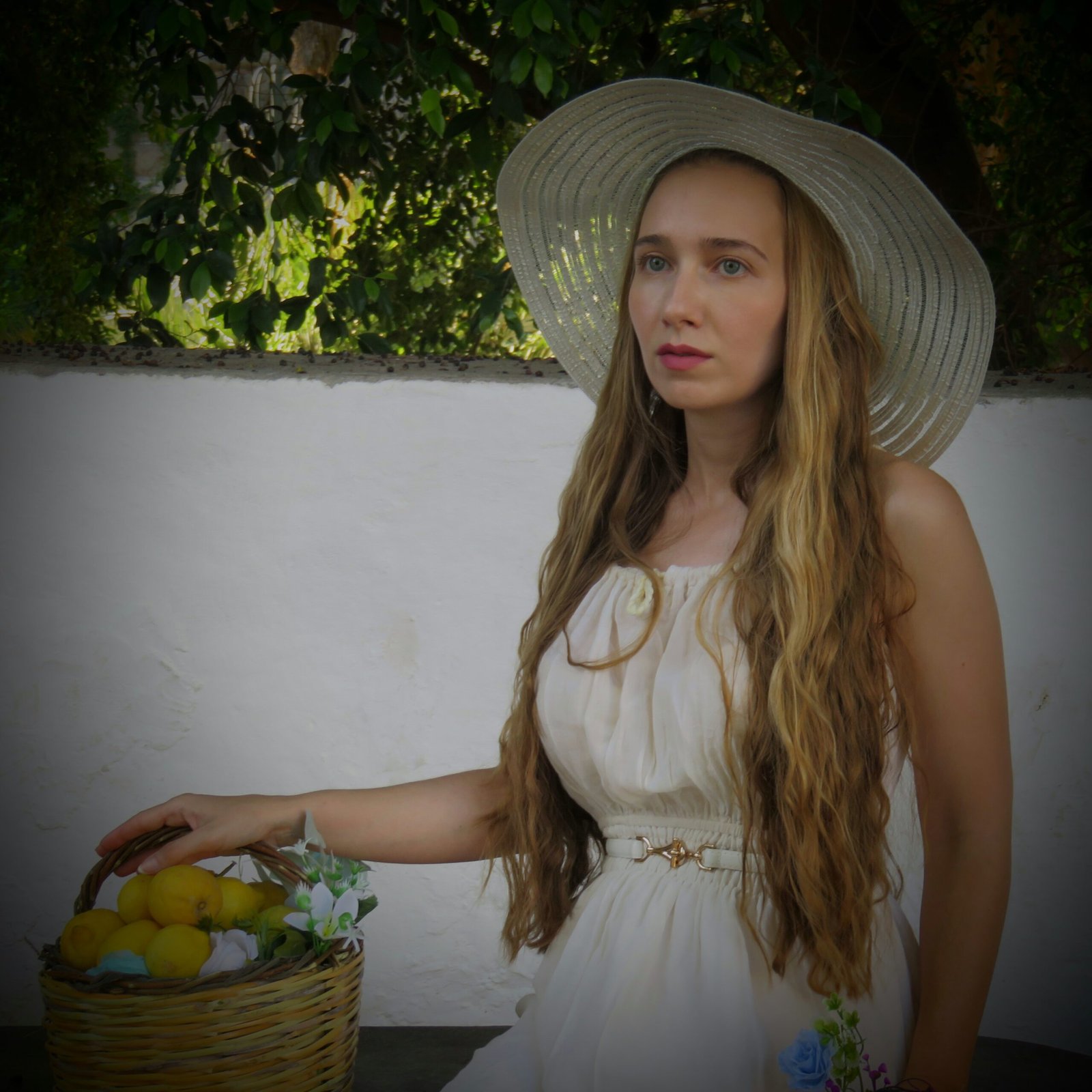
Nostalgia
Anastasia Grigoriadou
Closing Echoes, Nostalgia transforms memory into a deeply human presence. A solitary figure, illuminated by soft light and quiet stillness, invites viewers to pause and recognise their own experiences of longing, tenderness and remembrance.
Rather than telling a single story, the photograph creates space for personal reflection, where memory becomes both intimate and universal. As the final work of this chapter, it gathers the emotional echoes of the journey so far, gently guiding the exhibition toward the introspective world of Beneath the Surface.
CHAPTER IV
BENEATH THE SURFACE
A quieter world, revealed through light and water.
Beneath the surface, the world slows into silence. Light softens, movement becomes fluid and the boundaries between body, water and memory begin to dissolve. These photographs invite us into a quieter space, where immersion becomes a path toward presence, vulnerability and inner reflection.
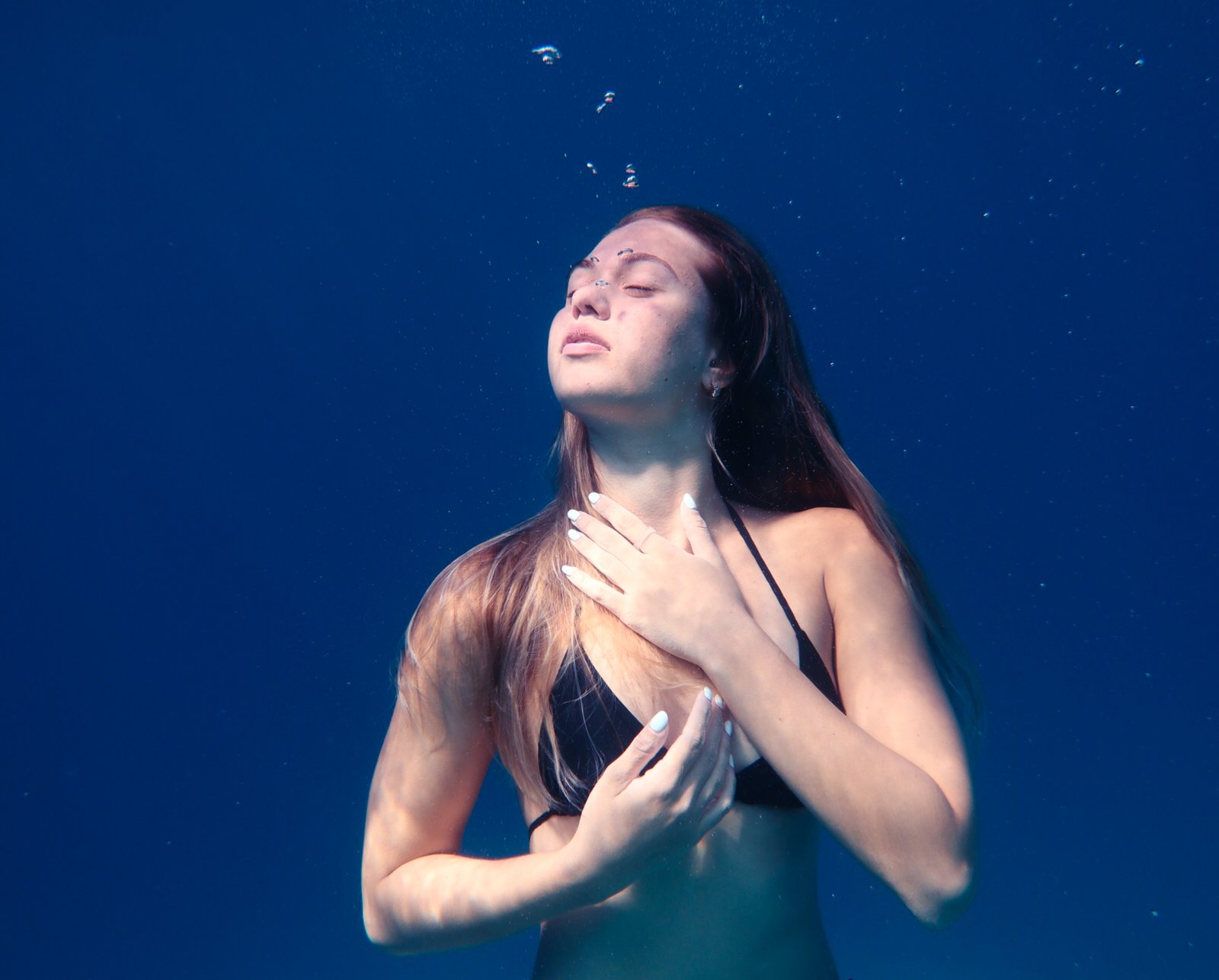
Bathed In Water & Light
Dimitris Stamatis
Opening Beneath the Surface, Bathed In Water & Light invites viewers into a world where water becomes a space of quiet transformation. Suspended between light and silence, the figure moves with effortless grace, revealing immersion as an experience of presence rather than escape.
Here, water is more than an environment; it becomes a metaphor for stillness, vulnerability and renewal. As the first work of this chapter, the photograph gently marks the beginning of the exhibition’s most introspective journey.
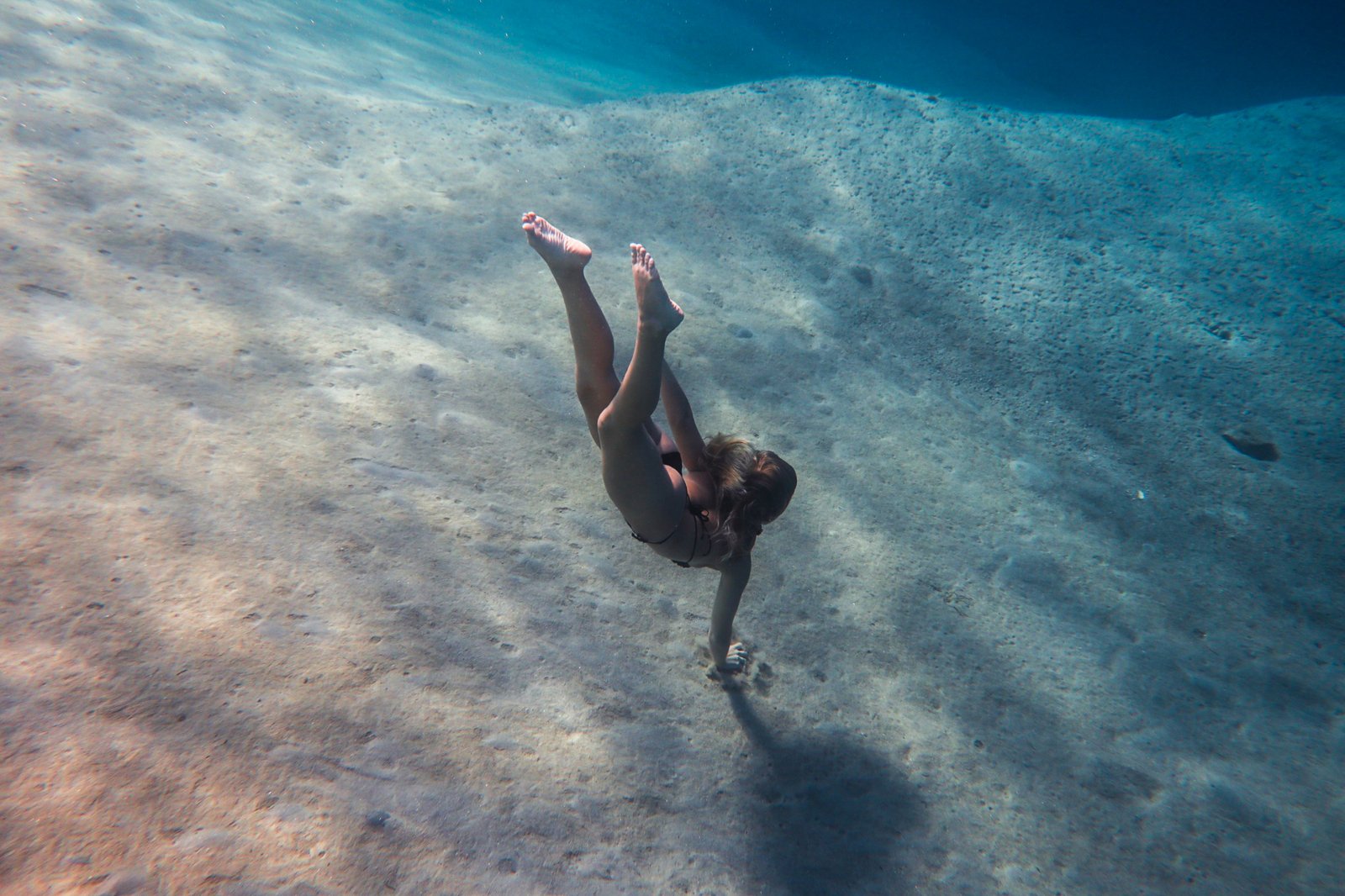
Seabed Play
Dimitris Stamatis
Seabed Play celebrates the quiet freedom that emerges beneath the surface. Moving effortlessly across the ocean floor, the figure transforms the underwater world into a place of curiosity, balance and joyful exploration.
Rather than seeking escape, the photograph embraces the present moment, where movement becomes intuitive and water carries the body with quiet ease. Within Beneath the Surface, it reminds us that true freedom often arises when we surrender control and allow ourselves simply to be.

Breath Of Summer
Dimitris Stamatis
At the emotional centre of Beneath the Surface, Breath Of Summer invites viewers to pause and reconnect with the quiet rhythm of breath. Suspended between light and water, the figure rises effortlessly, revealing stillness as a space of awareness rather than absence.
More than an underwater scene, the photograph becomes a meditation on renewal, where body, breath and light exist in complete harmony. It reminds us that before memory, before reflection and before words, there is simply the act of breathing.
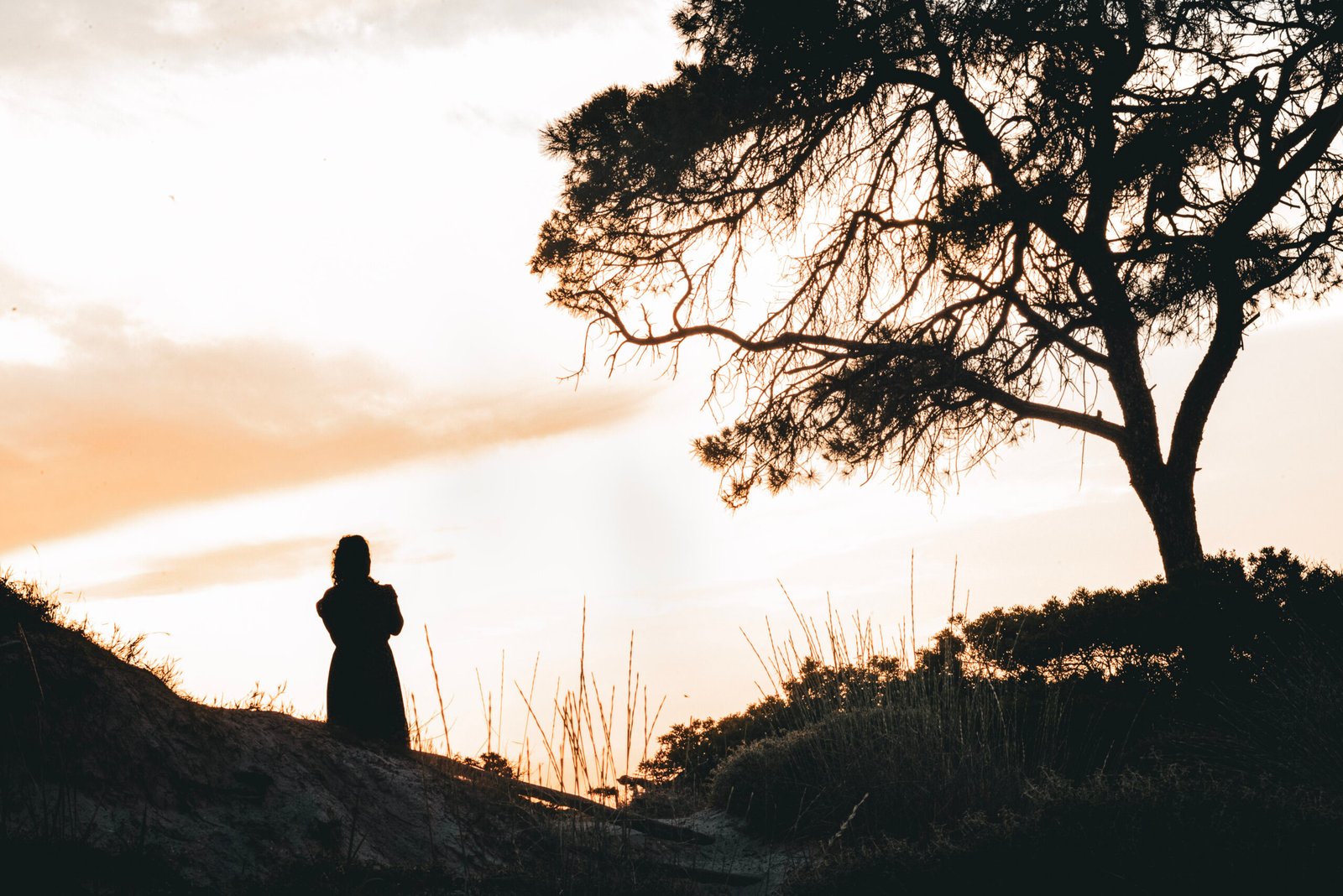
Sunrise
Nikolas Kountouris
Concluding Beneath the Surface, Sunrise marks the quiet return from immersion. Emerging once more into the open landscape, the viewer encounters a solitary figure standing before the sea as the first light gently unfolds across the horizon. The stillness discovered beneath the water now lingers above it, carried into a new awareness of the world.
The photograph offers no dramatic conclusion. Instead, it celebrates the quiet transformation that follows reflection. Sea, sky and distant mountains merge into a luminous horizon where silence remains as present as light itself, inviting contemplation rather than certainty.
As the final work of this chapter, Sunrise becomes a threshold between inner experience and remembrance. It prepares the transition to Afterglow, where the journey no longer unfolds through discovery, but through the quiet traces it leaves behind.
CHAPTER V
AFTERGLOW
What remains when the season has passed.
Not every journey ends with a destination. Some continue quietly within us, carried through light, memory and the emotions that linger long after the moment has passed. These final photographs invite us to pause, reflect and recognise the fragments we take with us as the exhibition gently comes to rest.
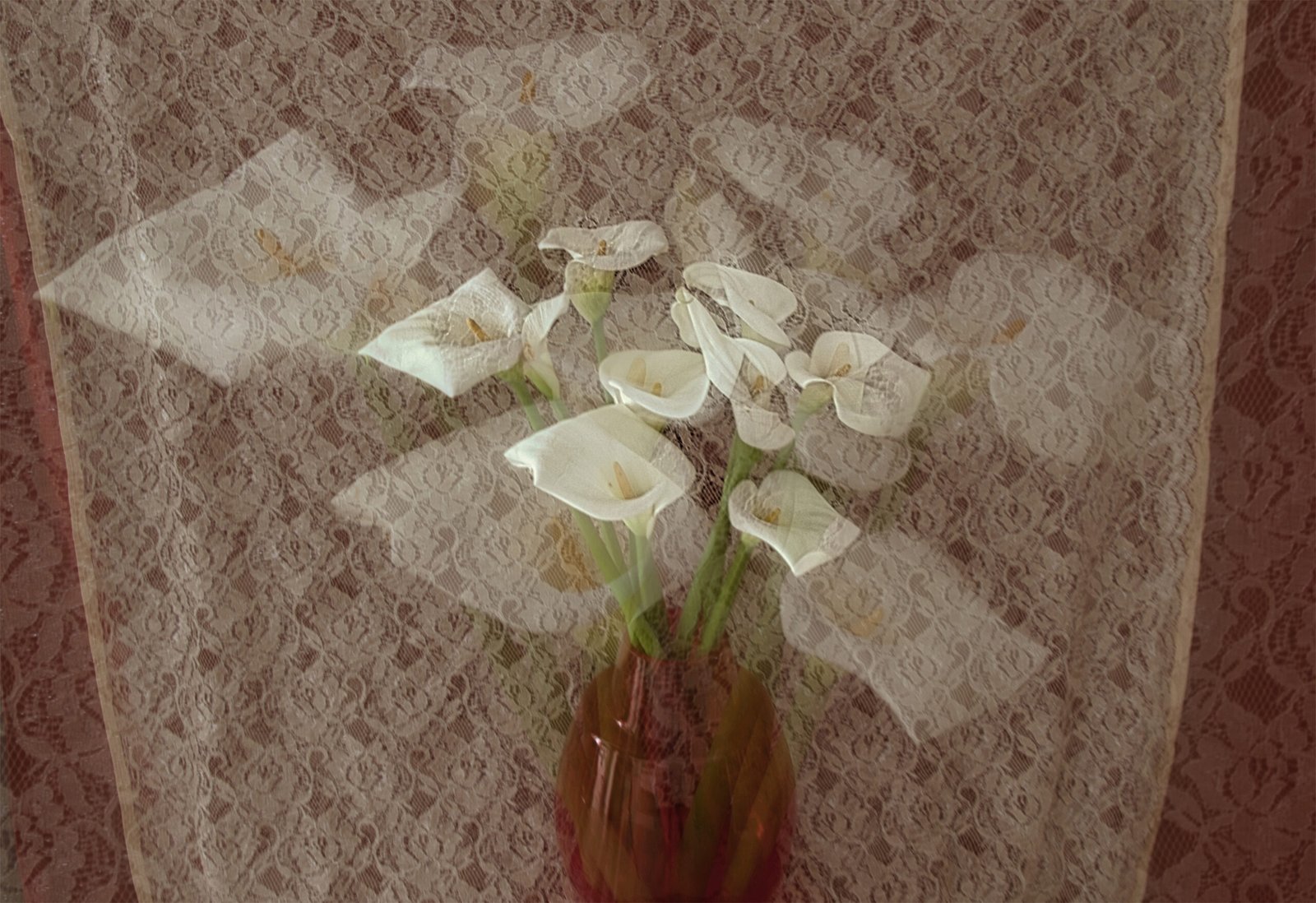
Blooming Light
Florentia Kanaki
Opening Afterglow, Blooming Light shifts the exhibition from memory to atmosphere. Delicate white flowers emerge through translucent layers of lace and light, creating an image that feels suspended between presence and remembrance. Beauty is no longer experienced as a fleeting moment, but as something that quietly endures.
Softness becomes the work’s visual language. Rather than describing a place or a specific memory, the photograph evokes the emotional traces that remain when time has gently blurred their edges. As the first work of the exhibition’s final chapter, Blooming Light invites viewers to embrace remembrance not as something to hold onto, but as something that continues to bloom within us.
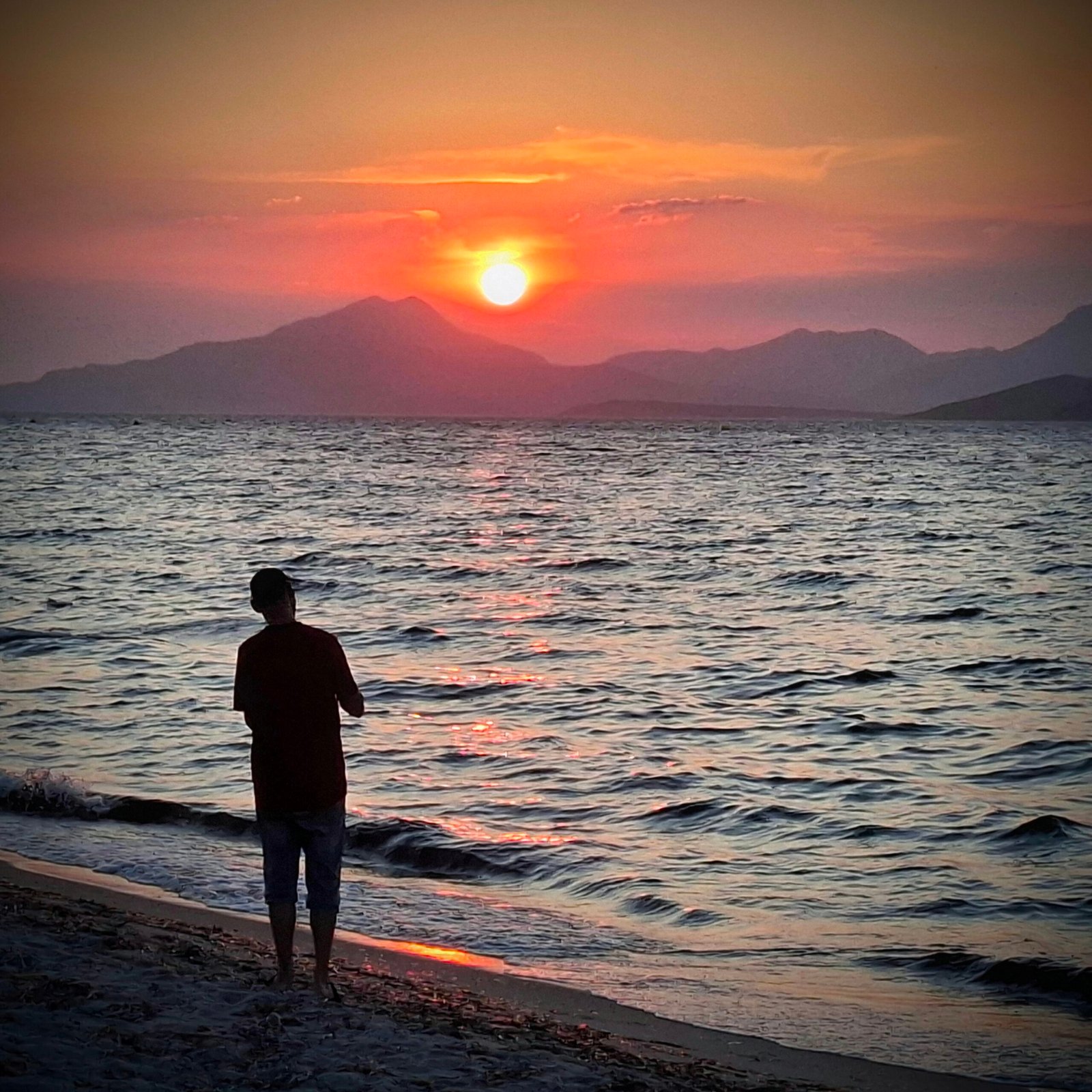
Staring at the Sun
Anastasia Grigoriadou
Following the quiet stillness of Blooming Light, Staring at the Sun invites viewers into a moment of quiet contemplation. Framed by the silhouette of a tree, a solitary figure gazes across the sea as the fading light softens the horizon, transforming the landscape into a space of reflection.
The photograph does not dwell on endings, but on the quiet awareness that every meaningful moment is already becoming memory. Within Afterglow, it reminds us that what endures is rarely the event itself, but the feeling it leaves behind—a quiet light that continues to accompany us long after the sun has disappeared.
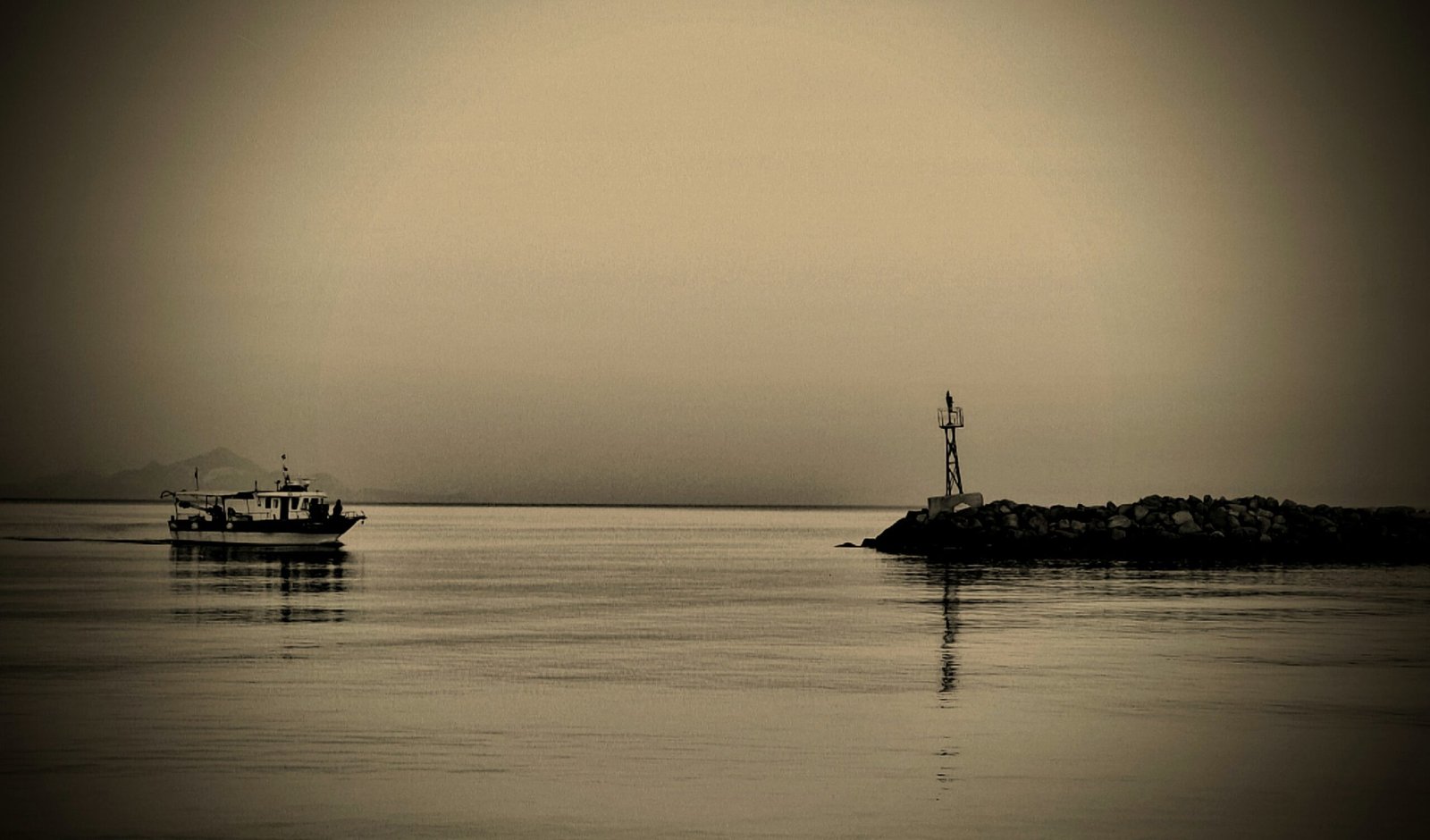
Lighthouse
Anastasia Grigoriadou
Following the quiet contemplation of Staring at the Sun, Lighthouse becomes a symbol of quiet reassurance. Standing alone at the edge of land and sea, the beacon does not direct us toward a destination, but gently reminds us that some places continue to guide us long after we have left them behind.
Still water, an open horizon and the quiet geometry of the lighthouse create a landscape suspended beyond time. As the penultimate work of Fragments of Summer, the photograph suggests that memory is more than a record of the past—it is a quiet light that continues to accompany us, offering orientation, comfort and the possibility of return.
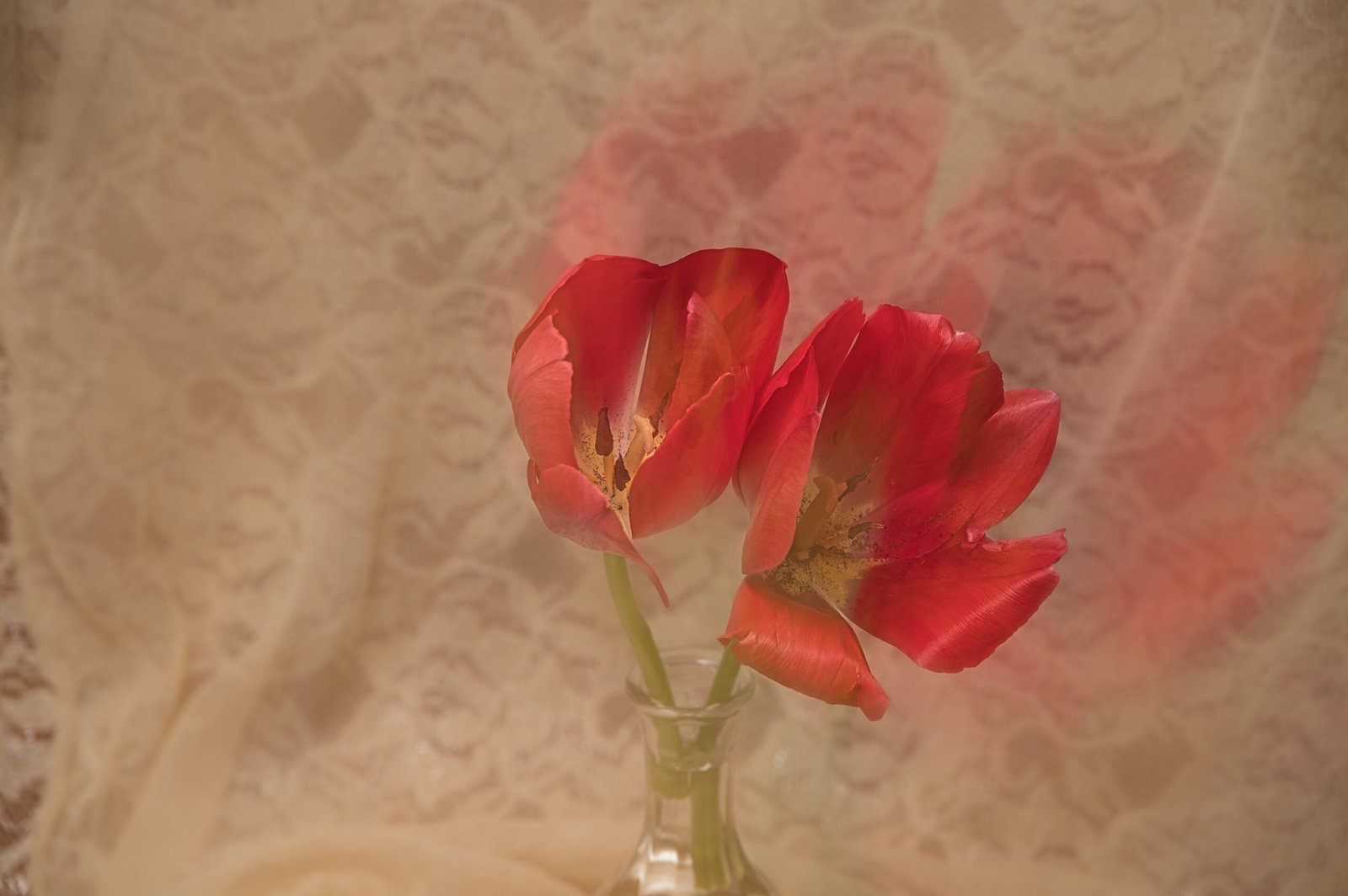
Breath
Florentia Kanaki
Concluding Fragments of Summer, Breath returns to the quiet visual language with which the exhibition first began. Delicate tulips, softened by translucent layers of fabric and light, no longer appear simply as flowers, but as luminous traces of memory—fragile, fleeting and quietly enduring.
Throughout the exhibition, landscapes became encounters, encounters became memories and memories became moments of reflection. Here, those experiences dissolve into their simplest expression: breath. Invisible yet essential, it becomes a quiet metaphor for everything we cannot hold onto, yet continue to carry within us.
Rather than offering a final conclusion, Breath leaves the journey gently open. It invites each visitor to step back into the world carrying their own fragments of summer, allowing the memories awakened throughout the exhibition to continue unfolding long after the final image has faded.
CLOSING REFLECTION
Every exhibition eventually reaches its final image, yet few truly come to an end.
The photographs gathered in Fragments of Summer do not seek to preserve a season exactly as it was. Instead, they reveal how places, encounters and moments continue to evolve long after they have passed, becoming part of the way we remember, imagine and understand our own lives.
As visitors leave the exhibition, the images no longer belong solely to the gallery. They become part of a personal landscape shaped by memory, emotion and quiet association. What begins as observation gradually becomes reflection, reminding us that every act of looking is also an act of remembering.
Perhaps this is what summer leaves behind—not a collection of perfect moments, but fragments that quietly accompany us. A familiar light. The rhythm of the sea. A face, a place, a fleeting silence unexpectedly recalled. Small traces that gather new meaning each time they return.
Rather than offering a definitive conclusion, Fragments of Summer intentionally remains open. Every visitor carries away a different constellation of memories, allowing the exhibition to continue beyond its walls and into everyday life.
Because summer rarely remains with us as a complete story.
It endures instead as fragments—quiet, luminous and deeply personal—
waiting to be discovered again within ourselves.
CONTINUE YOUR JOURNEY
COMMUNICATION PARTNERS